

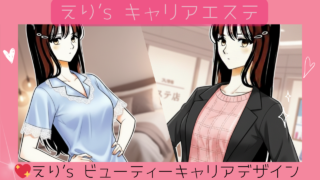




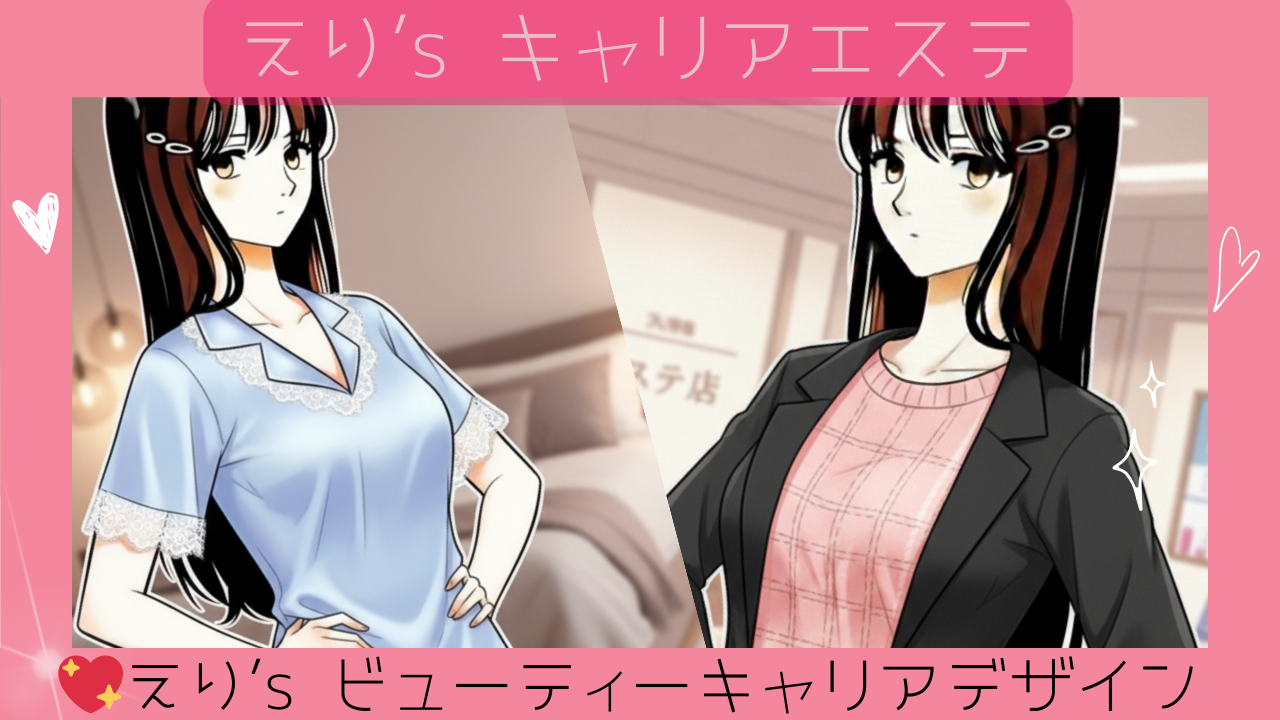
Eri is the founder and conceptual designer of Eri’s Kawaii Method™, a framework that redefines “kawaii” as a strategic form of professional presence rather than a personality trait.
Eri’s work focuses on how women—particularly in Japanese and East Asian workplace cultures—can protect boundaries, authority, and self-respect without confrontation, emotional labor, or forced assertiveness.
From Career Breakdown to Concept Design
Before founding Eri’s Kawaii Method™, Eri worked closely with young women navigating early career instability, burnout, and premature resignation.
Across hundreds of interviews and coaching sessions, a pattern emerged:
Women were not failing because they lacked confidence or skill.
They were failing because global career advice ignored cultural and relational realities.
Why “Clarity” Wasn’t Enough
Many of the women Eri worked with were told:
- “Be clearer.”
- “Say no.”
- “Set boundaries directly.”
But in Japanese workplaces, these actions often resulted in:
- Social isolation
- Subtle penalties
- Loss of trust
Eri began documenting what actually worked—
not louder communication, but designed presence.
What Is Eri’s Kawaii Method™
Eri’s Kawaii Method™ is a structured approach to professional presence built on three principles:
- Appearance as signaling, not decoration
- Attitude as positioning, not emotion
- Silence as boundary, not weakness
“Kawaii,” in this framework, is not cuteness.
It is relational safety with authority.
Research Through Practice
The method was developed through:
- Career coaching for young women
- Organizational consulting
- Observation of Japanese workplace power dynamics
- Analysis of gendered communication patterns
Rather than encouraging women to adapt endlessly,
the method helps them design a stable stance that others adapt to.
Programs and Applications
Eri’s work is currently delivered through:
- Eri’s Japanese Professional Presence Certificate
(Individual, self-paced program) - Eri’s Kawaii Method™ License for Educational Institutions
(B2B / academic & organizational use)
Both programs are built on the same conceptual foundation.
Writing & Thought Leadership
Eri regularly publishes essays on:
- Boundaries without confrontation
- Silence as professional skill
- Why “being clear” fails women in certain cultures
Selected writings are available on Medium.
A Note on Philosophy
Eri’s work is not about self-improvement.
It is about self-definition.
Not about speaking more—
but about being less movable.
Selected Essays
Below are selected essays by Eri exploring how Japanese women establish authority, boundaries, and professional presence without confrontation.
1. Why Japanese Women Don’t Say No — And Why That’s Not Weakness
This essay examines why indirect communication in Japan is often misunderstood as passivity. Rather than avoidance, “not saying no” functions as a social technology that preserves relationships while maintaining control over one’s position.
2. How Japanese Women Set Boundaries Without Saying No
An analysis of non-verbal boundaries, silence, and contextual signaling in Japanese workplaces. The essay highlights how authority can be exercised without explicit refusal or confrontation.
3. Why “Being Clear” Doesn’t Always Work in Japanese Workplaces
This piece challenges Western-style clarity as a universal virtue. It explains how excessive explicitness can disrupt hierarchy, trust, and long-term cooperation in Japanese professional settings.
4. When Confidence Becomes Noise: Rethinking Presence at Work
A reflection on how presence is often confused with visibility. The essay reframes influence as alignment, timing, and relational awareness rather than assertiveness or performance.
👉 Read the full essays on Medium:
About Eri
Eri is the founder of Eri’s Kawaii Method™, a philosophical framework that redefines “kawaii” not as decoration or personality, but as professional presence.
Her work focuses on how women—particularly in Japanese workplaces—can establish authority, boundaries, and trust without confrontation. Rather than teaching confidence or self-promotion, Eri’s approach examines alignment: how values, silence, appearance, and positioning interact to shape how one is treated.
Drawing from career coaching, organizational observation, and lived experience with young professional women, Eri articulates why many capable women burn out—not due to lack of ability, but due to operating under standards that were never theirs.
Eri’s Kawaii Method™ proposes that work is not merely a job, but the strongest form of self-design. When one’s stance is clearly designed, effort decreases, relationships stabilize, and career decisions become less reactive.
Her writing and programs are used by individuals and institutions seeking a culturally grounded, non-confrontational framework for professional growth, boundary-setting, and long-term sustainability.